
This blog is about BRICS and its global impact on the world economy. BRICS is an international group of five countries: Brazil, Russia, India, China, and South Africa. Over the years, the alliance has expanded by welcoming new members, reflecting its growing importance in global affairs. Today, BRICS represents a significant share of the world’s population, economic output, and natural resources, making it one of the most influential international groupings in th
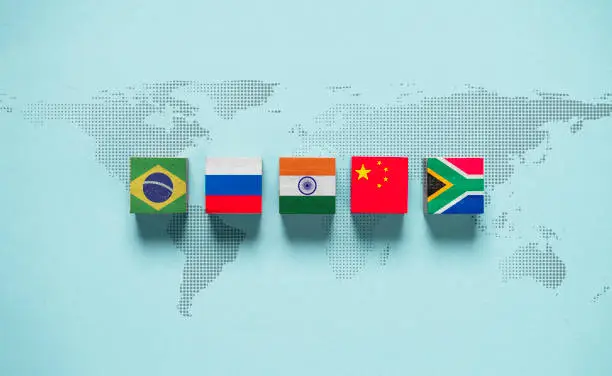
The main goal of BRICS is to strengthen the economic cooperation , promote sustainable development and create a more balanced global financial system . All member countries work together in arears such as trade , investment , infrastructure , technology , healthcare and education . Another important aim of BRICS is to encourage mutual growth while addressing common global challenges through regular summits and joint initiatives . One of the main reasons behind the growing importance of BRICS is its focus on reducing dependence on traditional global financial institutions while encouraging greater cooperation among developing economies. The alliance has also promoted investment in infrastructure and sustainable development through the New Development Bank (NDB), which finances projects aimed at improving transportation, clean energy, water resources, and other sectors that support long-term economic growth.
The future of BRICS looks promising as more countries are showing interest in joining the group. Expanded membership is expected to increase trade opportunities, strengthen economic partnerships, and provide a stronger voice for developing nations in international decision-making. As global economic power becomes more diversified, BRICS is likely to play an increasingly important role in shaping trade policies, investment flows, and regional cooperation. Technology and innovation are also expected to become major priorities for BRICS in the coming years. Member countries are investing in digital infrastructure, artificial intelligence, and scientific research to improve economic competitiveness. Collaboration in these sectors can accelerate sustainable development, encourage innovation, and create new opportunities for businesses and citizens alike.
However, BRICS also faces challenges due to differing economic priorities, political interests, and regional issues, which make it difficult to achieve complete unity on every matter. Despite these challenges, the alliance continues to demonstrate the value of dialogue and cooperation among emerging economies.
In conclusion, we can say that the future of BRICS has a significant impact on the global economy and international relations. As the alliance continues to expand and strengthen cooperation, it is expected to influence trade, investment, technology, and sustainable development. Whether through economic partnerships or diplomatic engagement, BRICS countries are likely to remain an important force in shaping a more balanced and interconnected world.